
Revolutionary Reversible Anticoagulation

On-Demand Thrombin Control – The First Anticoagulant With a Built-In Molecular Off Switch

Revolutionary Reversible Anticoagulation

On-Demand Thrombin Control – The First Anticoagulant With a Built-In Molecular Off Switch

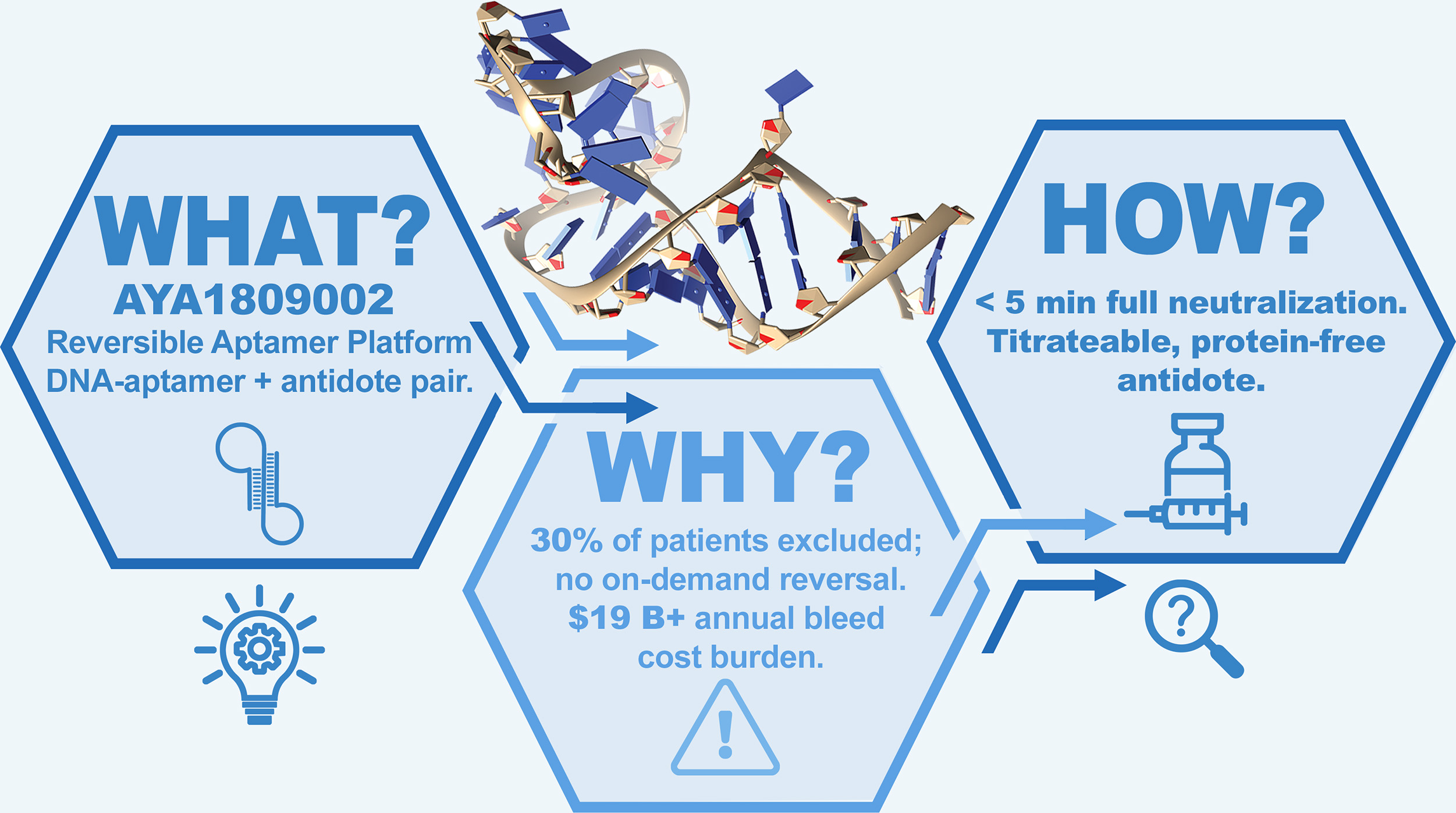
AYA1809002 is a first-in-class, reversible DNA aptamer-based anticoagulant targeting thrombin with high affinity and tunable control via a sequence-paired antidote. It is engineered to provide safe, effective, and rapidly reversible anticoagulation for use in hospital/acute care settings and high-risk patient populations.
Precision Targeting

500× selectivity for thrombin over other proteases with 10 nM binding affinity ensures effective inhibition.

Rapid Reversal

A complementary DNA antidote binds the thrombin-targeting aptamer in a 1:1 interaction, rapidly neutralizing its activity and restoring Factor II function within minutes. Because the antidote is a short DNA strand rather than an antibody, reversal occurs without foreign proteins or antibody-mediated immune responses.

Superior Safety

Maintains ≥24-hour stability in blood with minimal off-target effects, no CYP450 drug interactions, and no dietary restrictions such as vitamin-K limitations.

Mechanism, Selectivity & Pharmacokinetics

AYA1809002 is a highly selective thrombin inhibitor that binds Exosite I, the regulatory domain responsible for fibrin formation and platelet activation. By targeting this site rather than the catalytic active site, the aptamer selectively disrupts thrombin–substrate interactions while preserving catalytic structure.

This mechanism delivers potent anticoagulant activity with exceptional selectivity and predictable pharmacokinetics, supporting controlled and reliable anticoagulation.

Precision Exosite I Targeting

AYA1809002 binds selectively to thrombin Exosite I, a key regulatory surface involved in substrate recognition. By occupying this site, the aptamer blocks thrombin’s interaction with fibrinogen and other physiological substrates, preventing fibrin formation and platelet activation.
Unlike traditional anticoagulants that inhibit the catalytic active site, this approach enables highly targeted modulation of thrombin activity.

Exceptional Target Selectivity

AYA1809002 demonstrates nanomolar potency for thrombin while showing no measurable activity against related serine proteases, including Factor Xa, Factor XIa, plasma kallikrein, plasmin, and trypsin.

This corresponds to greater than 10,000-fold selectivity for thrombin, minimizing off-target effects.

Distinct Mechanism Fingerprint

The aptamer produces a characteristic thrombin time (TT) to activated partial thromboplastin time (aPTT) ratio, reflecting selective disruption of thrombin’s substrate interactions through Exosite I binding.

This distinctive profile highlights a mechanism fundamentally different from current anticoagulants.

Predictable Pharmacokinetics

AYA1809002 demonstrates linear, predictable pharmacokinetics with a half-life of approximately 10 hours and steady-state levels achieved within 2–3 days.

Clearance occurs primarily through renal filtration, with no CYP metabolism and minimal protein binding, supporting consistent exposure across patient populations.

Built-in Reversibility

AYA1809002 incorporates a paired DNA antidote system, enabling rapid and precise control of anticoagulation. A complementary oligonucleotide binds the aptamer in a 1:1 interaction, eliminating thrombin affinity and reversing anticoagulant activity within minutes. Because reversal is driven by molecular pairing, anticoagulation can be rapidly and precisely titrated to the desired level.

Rapid and Controlled Reversal

Reversal achieved within minutes
1:1 aptamer–antidote binding enables precise control
Anticoagulation can be fully or partially reversed

Safety Advantages

Unlike conventional anticoagulant reversal strategies, the DNA antidote system:
Avoids pro-coagulant overshoot seen with vitamin K or PCC
Avoids histamine and hemodynamic reactions associated with protamine
Uses short nucleic acid molecules rather than biologic proteins

Comparison With Current Reversal Strategies

Reversal MethodTypical Limitations
Vitamin K / PCCSlow onset (6–24 h), thrombosis risk
Protamine sulfateHypotension, allergic reactions
IdarucizumabHigh cost, antibody-based biologic

AYA1809002 DNA Antidote Rapid, programmable reversal

Direct Thrombin Inhibition

Clinical Indications

  • Non-valvular AF (stroke prophylaxis)
  • Treatment/prevention of DVT/PE
  • Acute coronary syndromes (adjunct)
  • HIT
  • Non-valvular Atrial Fibrillation (AF) — Stroke prophylaxis in patients requiring long-term anticoagulation. Built-in reversibility addresses the major safety concern with current DOACs.
  • Deep Vein Thrombosis / Pulmonary Embolism (DVT/PE) — Treatment and prevention with predictable pharmacokinetics (t½ ~10 h, steady state in 2–3 days, QD/BID dosing).
  • Acute Coronary Syndromes (ACS) — Adjunct anticoagulation with the ability to rapidly reverse if bleeding occurs during intervention.
  • Heparin-Induced Thrombocytopenia (HIT) — DNA aptamer mechanism avoids heparin entirely, providing a safe alternative for HIT patients who cannot receive heparin-based therapies.

Mechanism & PK Advantages

  • Competitive occupancy of thrombin’s Exositeblocks fibrinogen conversion & platelet activation
  • Linear, predictable PK: t½ ~10 h, steady state in 2–3 days, QD/BID dosing

Exosite I Binding — Confirmed by Competitive Assay:

Competitive ELISA using ligands with well-characterized thrombin binding sites definitively mapped AYA1809002 to Exosite I. Strong competition observed with canonical exosite I ligands NU172 (~3% residual binding) and hirudin (~11%). Active-site inhibitors dabigatran (~91% retained) and PPACK (~80% retained) showed minimal competition, confirming no catalytic site engagement. Fibrinogen did not displace the aptamer, consistent with the aptamer’s nanomolar affinity outcompeting fibrinogen’s micromolar affinity for exosite I — a key requirement for anticoagulant efficacy.

Selectivity:

IC₅₀ ~26 nM against thrombin with Kᵢ ~9.3 nM. No measurable inhibition of FXa, FXIa, plasma kallikrein, plasmin, or trypsin at concentrations up to 10 µM. This represents >10,000-fold selectivity for thrombin.

TT:aPTT Ratio — Mechanism Fingerprint:

AYA1809002 produces a TT:aPTT ratio of ≥5.6, compared to 1.8 for dabigatran and 1.0 for heparin. This disproportionate TT prolongation is the signature of exosite I-mediated inhibition: selective disruption of thrombin’s substrate recognition while preserving catalytic active-site function. This is a fundamentally different and more selective mechanism than any current anticoagulant.

Pharmacokinetics:

Linear, predictable PK with t½ ~10 h and steady state in 2–3 days. Clearance exclusively via glomerular filtration — no active tubular secretion, minimal protein binding. Stable in renal impairment, unlike FXa inhibitors (Xarelto ~33% renal + CYP/P-gp; Apixaban ~25% renal + CYP3A4) which accumulate in CKD patients.

Our Aptamer’s Clearance

  • Glomerular filtration only → rapid renal removal without active tubular secretion
  • Stable in renal impairment (minimal protein binding)
  • Versus FXa inhibitors: Xarelto ~33 % renal +CYP/P-gp (accumulates in CKD);  Apixaban ~25 % renal +   CYP3A4 interactions

Comparison of Anticoagulant Approaches

FeatureConventional AnticoagulantsAYA1809002 Aptamer Platform
MechanismActive-site inhibition of thrombin or FXaSelective Exosite I binding, disrupting thrombin–substrate interactions
Target SelectivityMay interact with multiple coagulation pathwaysHighly selective thrombin targeting
ReversibilityLimited or delayed reversal depending on agentBuilt-in DNA antidote enabling rapid reversal
Reversal SpeedMinutes to hours depending on drug and antidoteProgrammable reversal within minutes
Control of AnticoagulationFixed pharmacologic effectDose-tunable with aptamer–antidote pairing
Drug InteractionsOften involve CYP metabolism and drug–drug interactionsNo CYP metabolism
Clinical FlexibilityReversal strategies vary and may carry risksOn-demand control for procedures or bleeding events

Clinical and Economic Impact of Major Bleeding

Major bleeding remains a significant challenge in anticoagulated patients.
Intracranial hemorrhage occurs in ~0.5–1% of patients annually
30-day mortality can approach 50%

Major bleeding events can add $25,000–$60,000 in hospital costs and increase length of stay
Therapies that allow rapid and precise control of anticoagulation may help reduce these clinical and economic burdens.

AnticoagulantMechanismKey Limitations
WarfarinVitamin K pathway inhibitionSlow onset, monitoring required
HeparinAntithrombin-mediated inhibitionBleeding risk, protamine reactions
DOACs (FXa inhibitors)Factor Xa inhibitionLimited reversibility, drug interactions
Direct thrombin inhibitorsActive-site thrombin inhibitionReversal complexity
AYA1809002Selective Exosite I thrombin modulation
Designed with rapid DNA antidote reversal

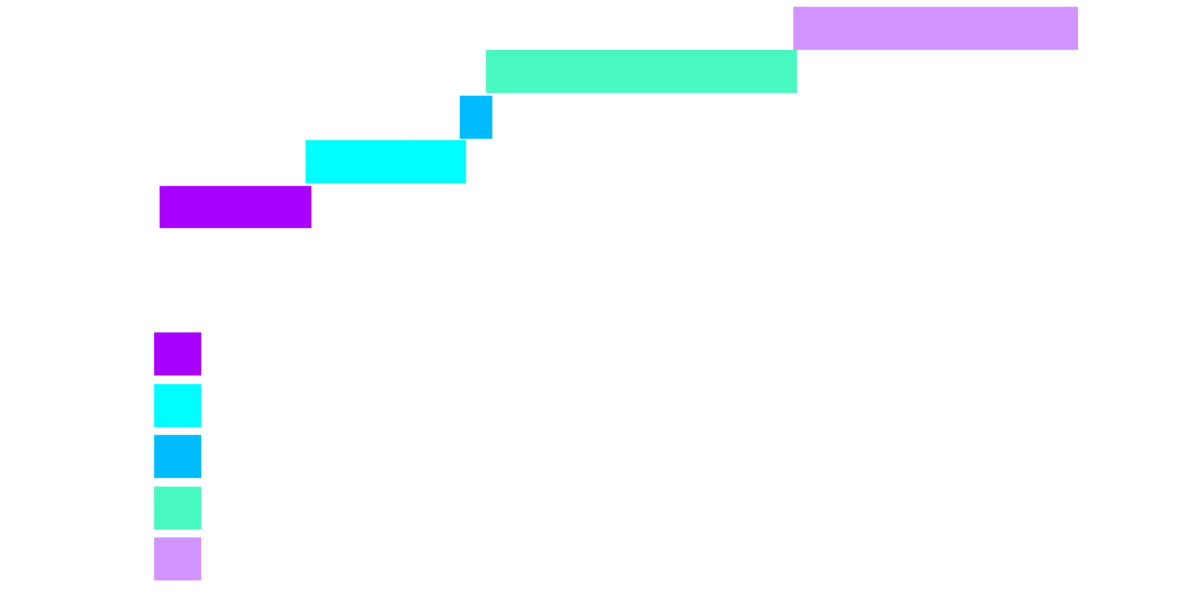
AYA1809002 Development Timeline (Projected)
New High-Affinity Thrombin Aptamers for Advancing Coagulation Therapy: Balancing Thrombin Inhibition for Clot Prevention and Effective Bleeding Management with Antidote (Cells/MDPI)