
CTLA4 and NKG2A Aptamer
One Aptamer, Two Checkpoints – Unleashing Both T Cells and NK Cells Against Cancer
CTLA4 and NKG2A Aptamer
One Aptamer, Two Checkpoints – Unleashing Both T Cells and NK Cells Against Cancer
AYA22T-R2-13 is the first aptamer engineered to block both CTLA-4 (T-cell checkpoint) and NKG2A (NK-cell checkpoint) with a single molecule — augmenting human CD8+ T cell and NK cell tumor killing in vitro, with a non-immunogenic, tunable, and reversible profile that antibody therapies cannot match.
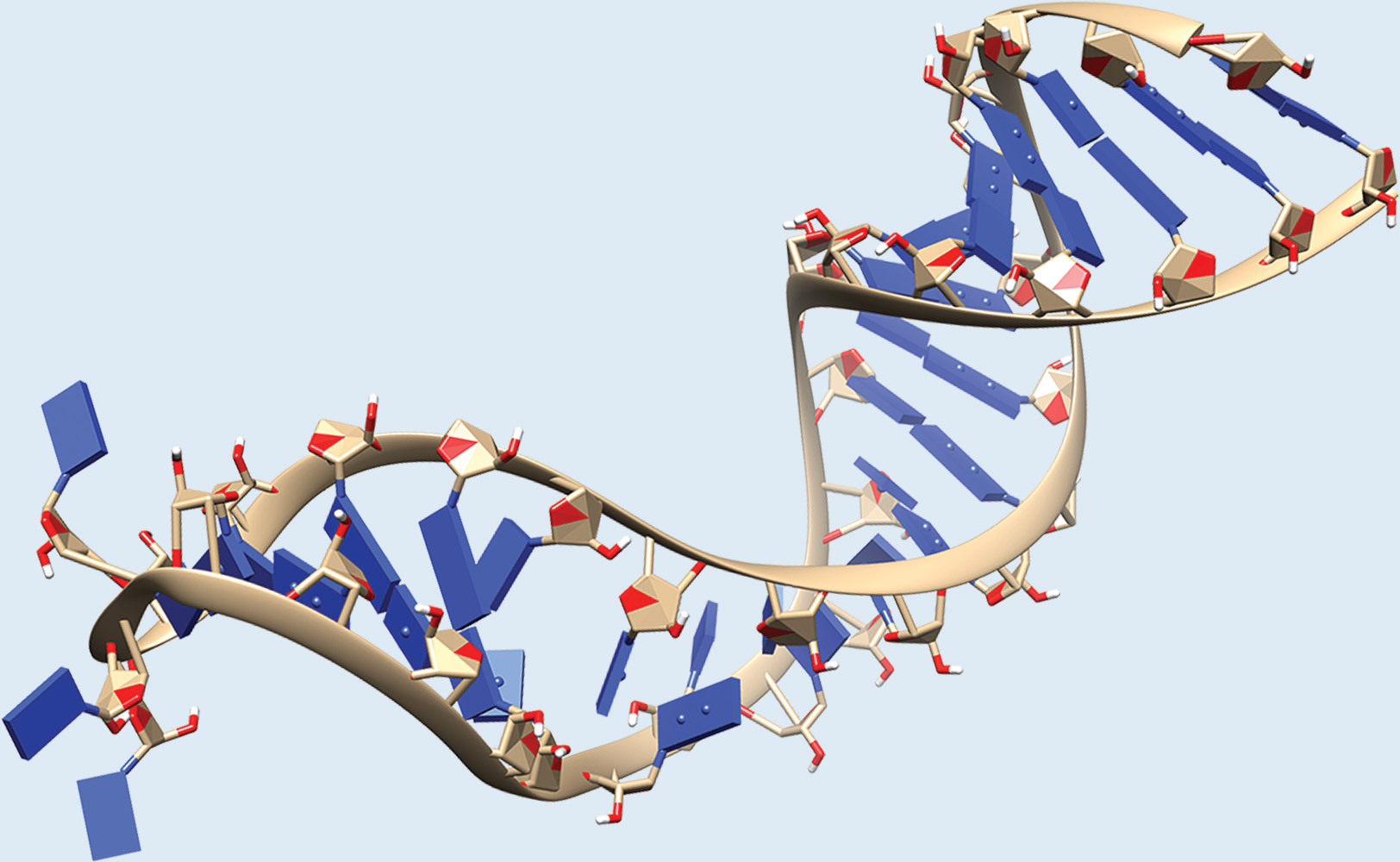
One molecule simultaneously blocks CTLA4-B7-1/B7-2 and CD94/NKG2A-HLA-E interactions. No current antibody achieves this with a single agent.
LDH cytotoxicity assays confirmed augmented CD8+ T cell-mediated AND NK cell-mediated tumor cell lysis in vitro.
No foreign proteins, no Fc-mediated off-target toxicity, built-in reversibility as a safety valve for immune-related adverse events.
Immune checkpoint inhibitors have transformed oncology, but significant challenges remain. Current antibody-based therapies like ipilimumab (anti-CTLA-4) and the investigational monalizumab (anti-NKG2A) each target only one immune pathway and require separate agents for combination therapy. These antibody treatments carry substantial immune-related adverse events (colitis, hepatitis, dermatitis), immunogenicity risk with repeated dosing, and costs exceeding $100,000 per year.
Critically, no single agent currently addresses both the T-cell checkpoint (CTLA-4) and the NK-cell checkpoint (NKG2A) simultaneously. Combining two separate antibodies increases toxicity risk and cost. The field needs a single, tunable agent that can engage both arms of the anti-tumor immune response with a better safety profile.
AYA22T-R2-13 was designed using our computational biology platform (in silico approach) to simultaneously bind both CTLA-4 and NKG2A, thereby unleashing both T cells and NK cells against tumor targets.
Computational Design:
HADDOCK molecular docking analysis confirmed high-confidence binding to both targets:
- CTLA-4: HADDOCK score −78.2 ± 10.2
- NKG2A: HADDOCK score −60.0 ± 4.2
- CD94/NKG2A heterodimer: HADDOCK score −77.5 ± 5.6
Mechanism of Action:
By blocking CTLA-4, AYA22T-R2-13 releases the brake on T-cell activation – allowing CD8+ cytotoxic T cells to recognize and kill tumor cells. Simultaneously, by blocking NKG2A on NK cells, the aptamer prevents tumor cells from using HLA-E to evade NK cell surveillance. The result is coordinated activation of both adaptive (T cell) and innate (NK cell) anti-tumor immunity from a single molecular agent.
Binding Confirmation:
- Direct ELISA: Confirmed selective binding of AYA22T-R2-13 to both CTLA-4 and NKG2A recombinant proteins.
- Flow Cytometry: Confirmed binding to cell surface CTLA-4 on IL-2-stimulated T cells and NKG2A on IL-2-stimulated NK cells.
- Competitive Assays: Binding was specifically inhibited in the presence of free CTLA-4 or NKG2A protein, confirming target-specific interaction (not non-specific sticking).
Functional Anti-Tumor Activity:
- LDH Cytotoxicity Assay: AYA22T-R2-13 blockade of CTLA-4 augmented human CD8+ T cell-mediated tumor cell lysis.
- LDH Cytotoxicity Assay: AYA22T-R2-13 blockade of NKG2A augmented human NK cell-mediated tumor cell lysis.
These results establish precise binding specificity for both CTLA4-B7-1/B7-2 and CD94/NKG2A-HLA-E interactions, positioning AYA22T-R2-13 as a validated tool for immune checkpoint blockade with demonstrated functional anti-tumor activity.
- Smaller Size: Better tumor penetration than antibodies (~150 kDa), reaching poorly vascularized tumor cores.
- No Fc Domain: Eliminates Fc-mediated off-target effects — complement activation, ADCC in non-tumor tissues — that drive immune-related adverse events with antibody therapies.
- Built-In Reversibility: If a patient develops immune-related adverse events, a complementary antidote can sequester the aptamer and halt checkpoint blockade. No antibody therapy offers this safety valve.
- Non-Immunogenic: No foreign proteins means no anti-drug antibody formation, even with repeated dosing. Critical for long-term cancer treatment regimens.
- Cost-Effective Production: Chemical synthesis eliminates cell line development, bioreactor manufacturing, and cold chain requirements. Enables broader patient access.
Current Stage: Late Lead Optimization – completing In Vivo Validations.
Completed: In silico design, HADDOCK docking validation, ELISA and flow cytometry binding confirmation, competitive specificity assays, LDH tumor lysis functional assays.
Next Steps: Efficacy and safety studies in murine tumor models to demonstrate in vivo anti-tumor activity. Published in vitro results establish the foundation for these studies.
Dual Checkpoint Aptamer Immunotherapy: Unveiling Tailored Cancer Treatment Targeting CTLA-4 and NKG2A (MDPI/Cancers)
Partnership opportunities include: academic oncology collaborations for murine tumor model studies, pharma co-development for clinical-stage checkpoint inhibitor programs, and combination therapy studies with existing immunotherapy agents.